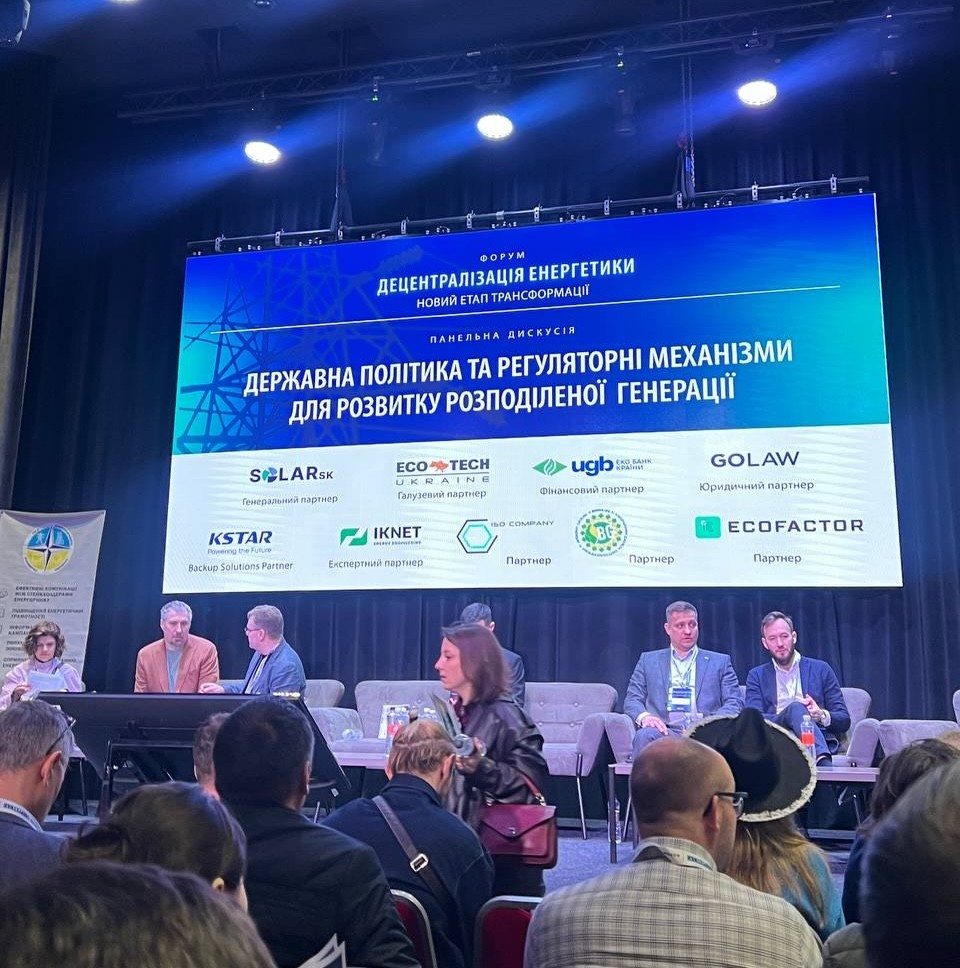
During the panel discussion, participants addressed state policy and regulatory mechanisms related to the development of distributed generation, as well as the key barriers preventing its large-scale implementation.
Among the main challenges identified were the complexity of regulatory procedures and the need to simplify them. In particular, participants discussed improving permitting systems, revising technical requirements for grid connection, and updating approaches to ensuring grid reliability.
Special attention was also given to the condition of Ukraine’s energy infrastructure. Participants noted that the restoration and modernization of energy networks are fundamental prerequisites for building a new energy system model.
According to speakers at the discussion, under wartime conditions every new megawatt of generation becomes a potential target, making the transition toward a more decentralized and flexible energy system essential.
At the same time, participants emphasized that a significant portion of Ukraine’s thermal generation infrastructure remains outdated.
“Combined heat and power plants (CHPs) remain key energy supply points, but they are both physically and technologically worn out. This creates additional risks for the stability of the system,” participants noted during the discussion.
Experts also highlighted the problem of inefficient energy distribution management.
“A significant share of generated energy is lost due to inefficient processes. In some cases, the system effectively operates without a real end consumer,” experts stressed.
Another major topic was the development of highly flexible generation and energy storage systems as tools for increasing the adaptability of Ukraine’s energy system.
According to participants’ estimates, potential development targets could include:
- up to 2–3 GW of gas-fired flexible generation;
- 5–6 GW of renewable energy sources;
- up to 2 GW of energy storage systems.
At the same time, participants emphasized that achieving these goals will depend on the quality of regulatory policy and the level of trust between the state and the market.
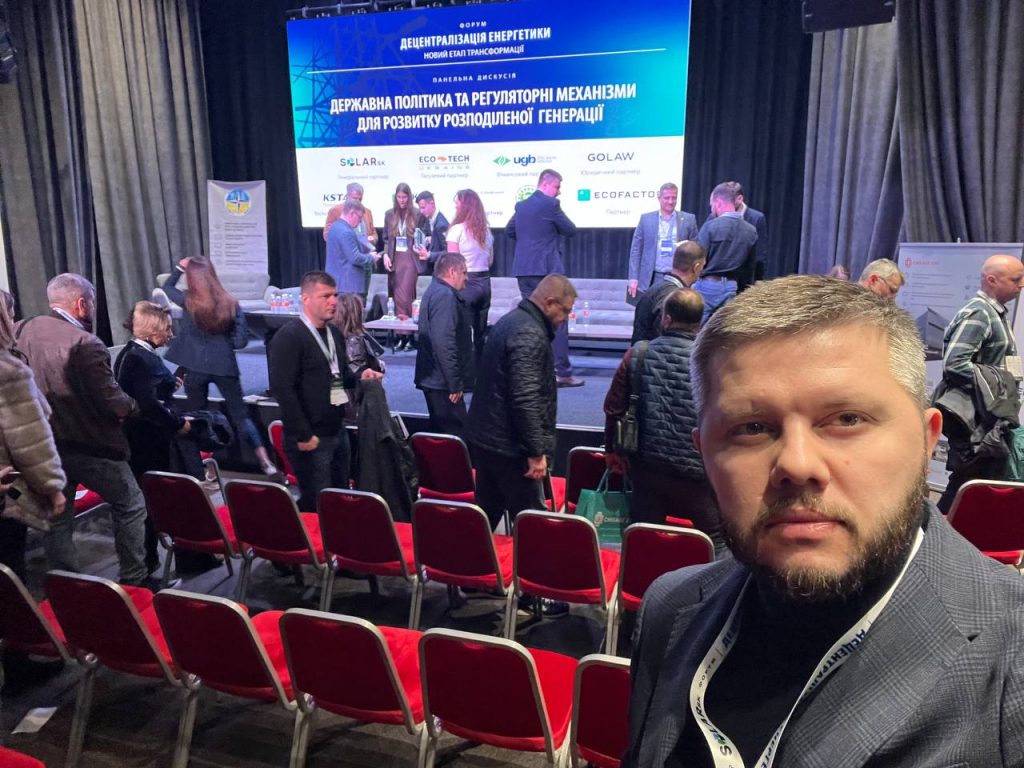
Particular attention was also paid to the role of local communities and consumers within the future energy model.
Participants noted that communities often lack clear calculations of their own energy needs, leading to fragmented and inconsistent decisions regarding generation procurement.
“Consumers frequently purchase whatever is available on the market without conducting a deep analysis of their actual needs. At the same time, the concept of energy islands is only beginning to take shape,” speakers noted during the discussion.
It was also emphasized that distribution system operators still do not fully incorporate Smart Grid approaches and the specifics of distributed generation into network development planning.
A separate section of the discussion focused on financing and international support.
Participants addressed the complexity of approval procedures for financing energy projects, as well as ongoing efforts to simplify them. Support priorities include the implementation of hybrid solar power plants, energy efficiency initiatives, and the training of specialists for the green energy sector.
At the conclusion of the event, participants agreed that the transition toward distributed generation is one of the key directions for transforming Ukraine’s energy system.
At the same time, they stressed that successful implementation will require comprehensive changes — from updating the regulatory framework to modernizing infrastructure and fostering a culture of rational energy consumption.