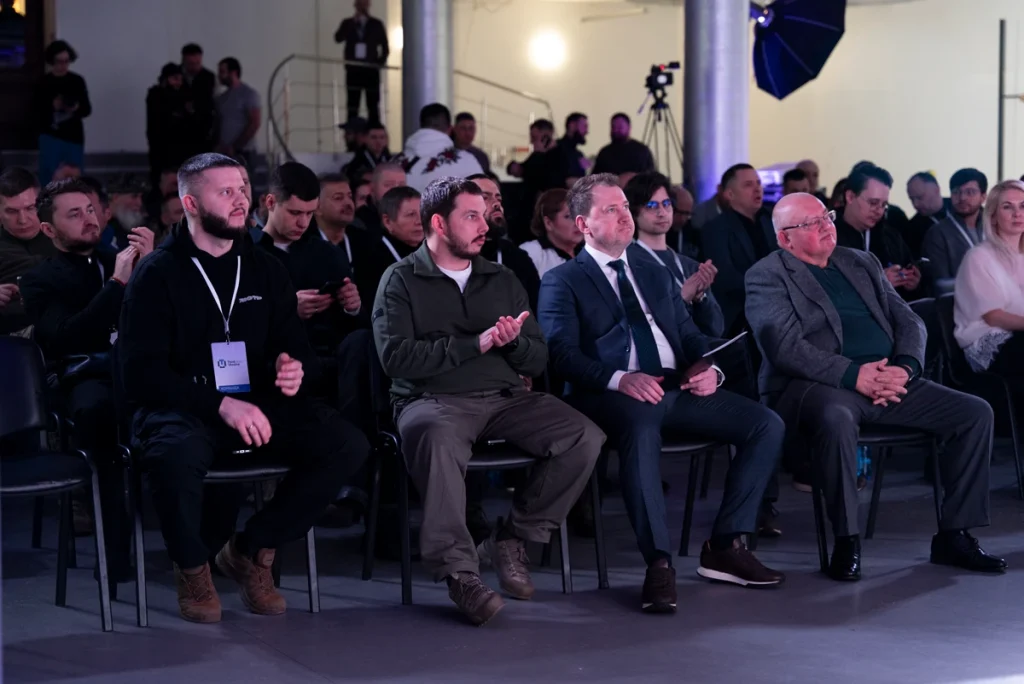
The team of experts from Think Ukraine presented the first stage of the “Country Project” research program — the large-scale sociological study “Peace Agreement: Threats and Challenges,” analyzing the key sentiments and expectations of Ukrainian society at the beginning of 2026.
On February 5, in Kyiv at the D12 venue, the Think Ukraine expert team officially presented the first stage of the “Country Project” research initiative — a large-scale sociological study dedicated to public attitudes toward possible peace negotiations and the future security architecture of Ukraine.
The event holds special significance for us, as it also marked the public launch of our expert team’s work.
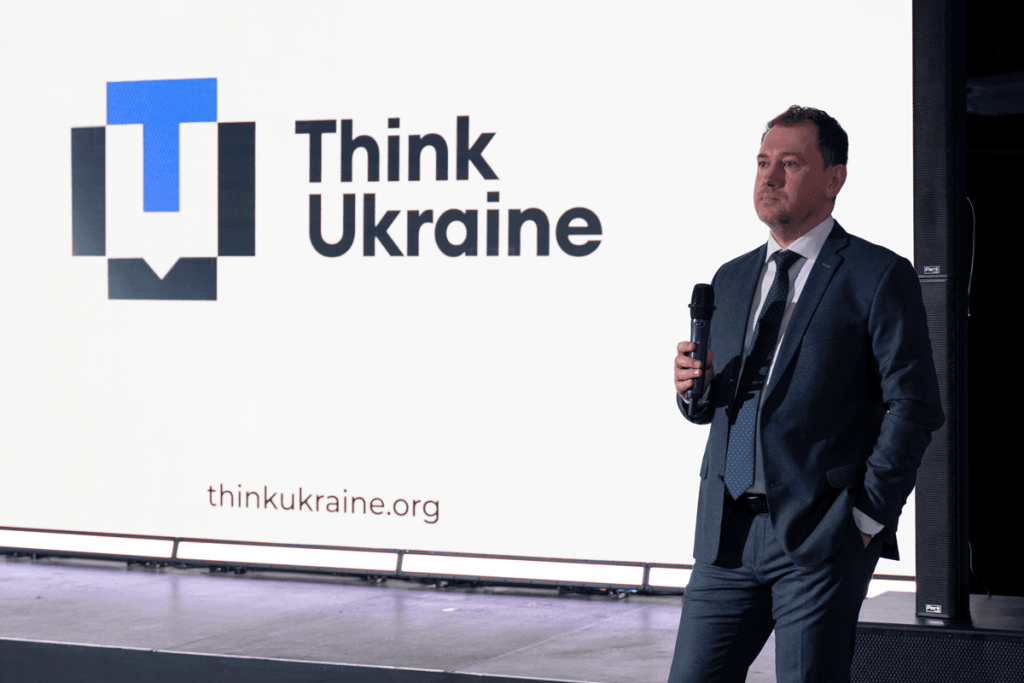
Presenting the center, Artem Haripov — founder of Think Ukraine, military serviceman, and first commander of the 78th Air Assault Regiment “Herts” — emphasized the mission of the center:
“We must build a strong, independent, and above all, a country that is understandable to ourselves.”
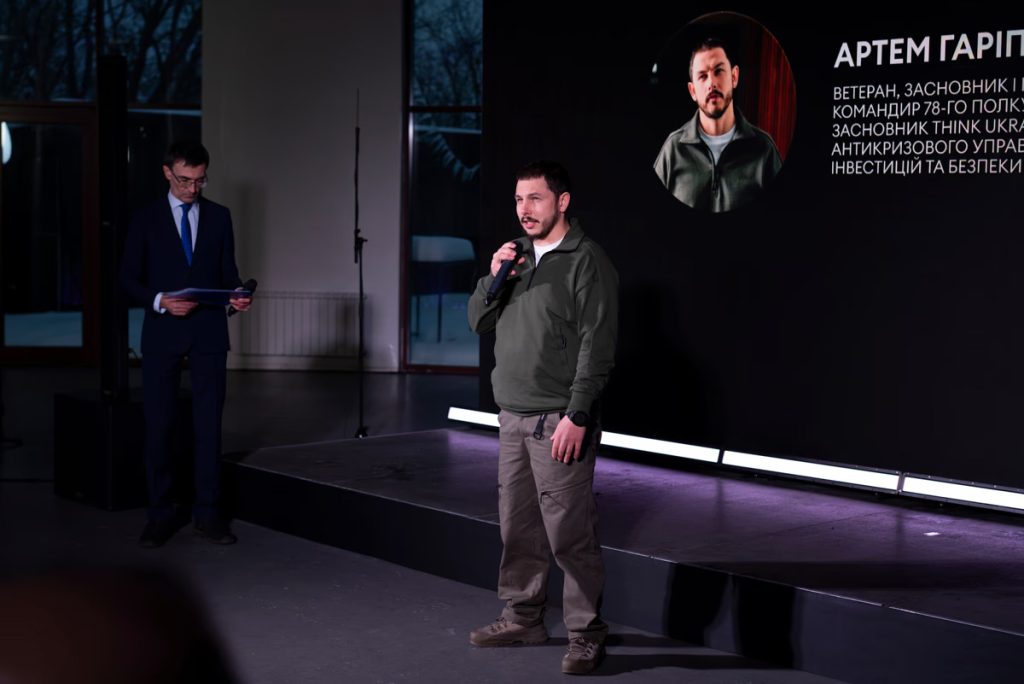
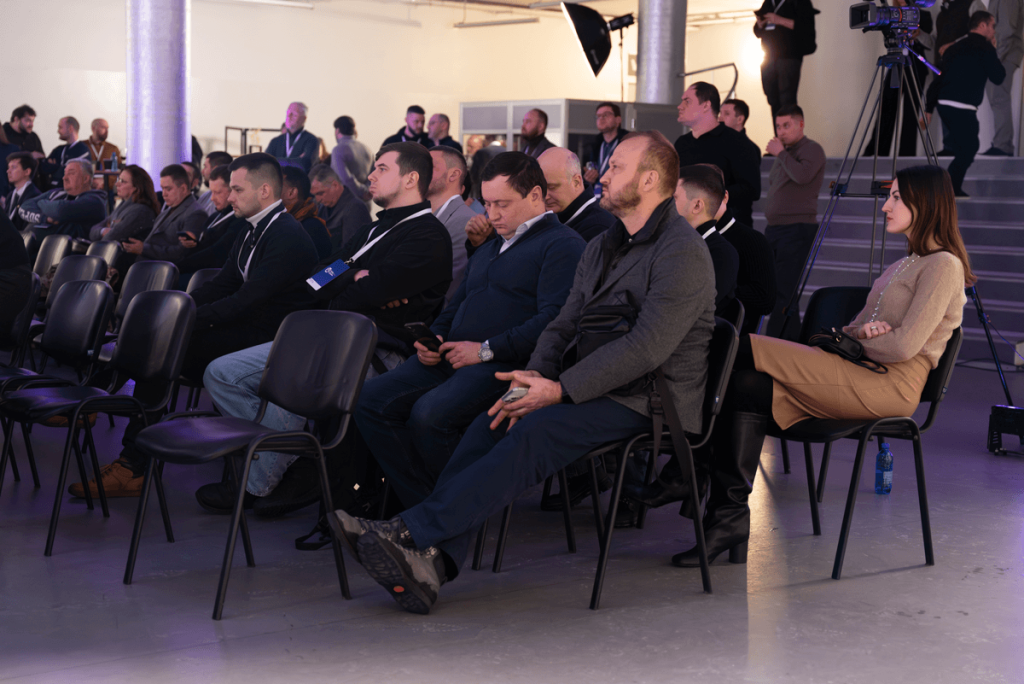
Despite difficult weather conditions in the capital, the event gathered veterans, active military personnel, academics, journalists, politicians, and business representatives. We are deeply grateful to each of the more than one hundred guests who found the time to engage in the discussion about security and peace in Ukraine.
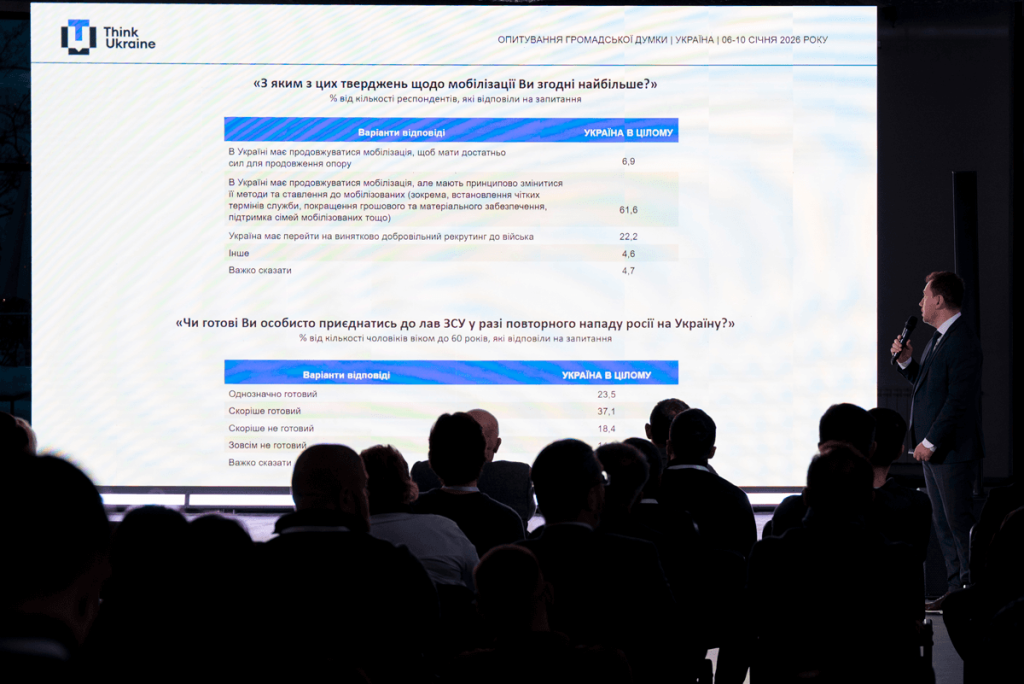
The central topic of the discussion focused on public sentiment in the context of possible negotiations. According to the study, 83.4% of Ukrainians are convinced that Russia will violate any agreements, which shifts the public demand for security away from external guarantees and toward internal capabilities: modernization of the armed forces (36.8%) and the restoration of nuclear status (34.9%).
The need to “build muscle” even surpasses support for security guarantees from the US and EU based on NATO Article 5 principles without formal membership — 30.1%, while direct NATO membership for Ukraine stands at 29.7%.
To achieve this, 73.5% of respondents are willing for part of their income to be directed through taxes toward strengthening the country’s defense capabilities, including the production of new weapons.
The full study is available here.
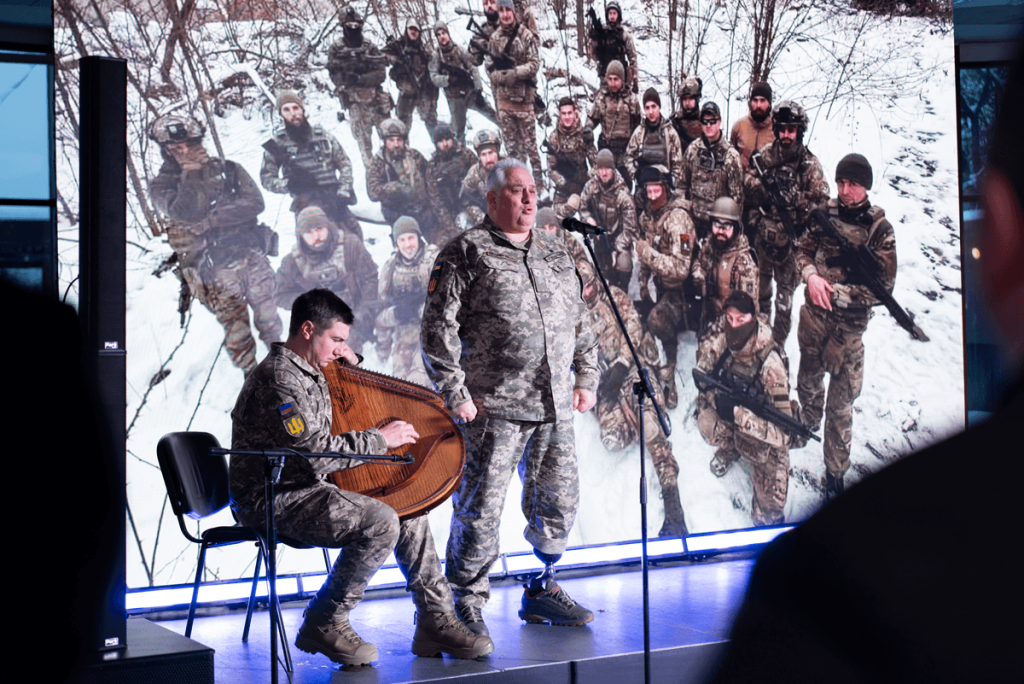
A separate section of the event was dedicated to the role of culture in protecting Ukrainian identity and shaping perceptions of reality during wartime. This discussion was led by Kolia Serha, founder of the Cultural Landing initiative and “Cultural Forces of Ukraine,” as well as an officer of the Armed Forces of Ukraine. He emphasized culture as a strategic instrument of national security and the foundation of Ukraine’s mental independence.
The ability of a nation to independently shape its own meanings, define who we are, and understand what we are fighting for is the main safeguard against cognitive occupation and attempts by the enemy to distort perceptions of reality.
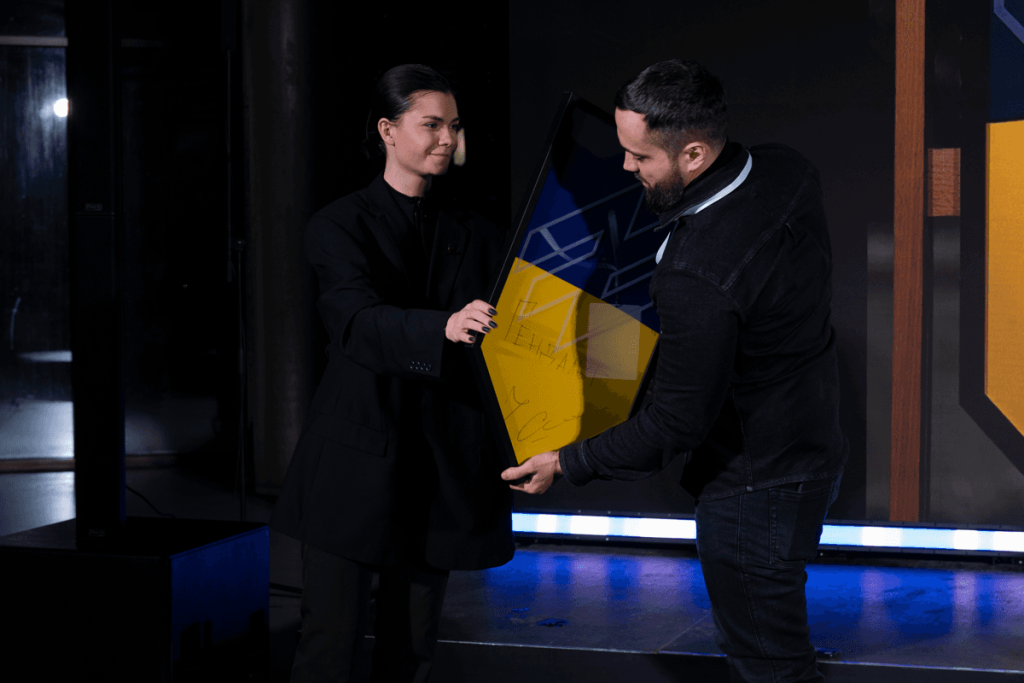
The evening concluded with a charity auction in support of AZOV ONE. The funds raised were directed toward the needs of the Azov Brigade.