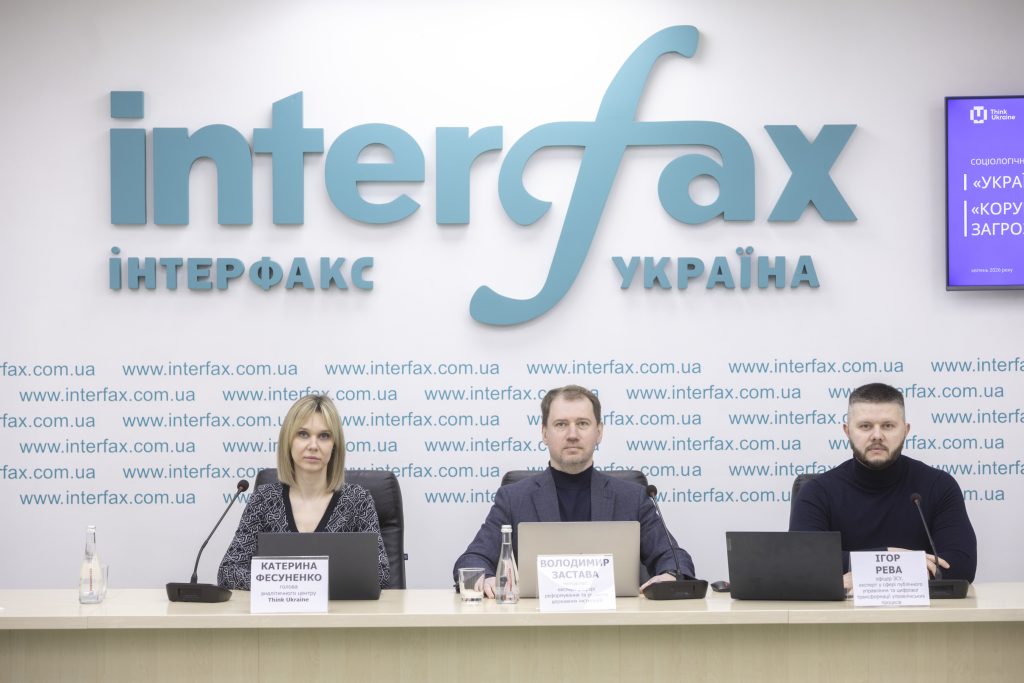
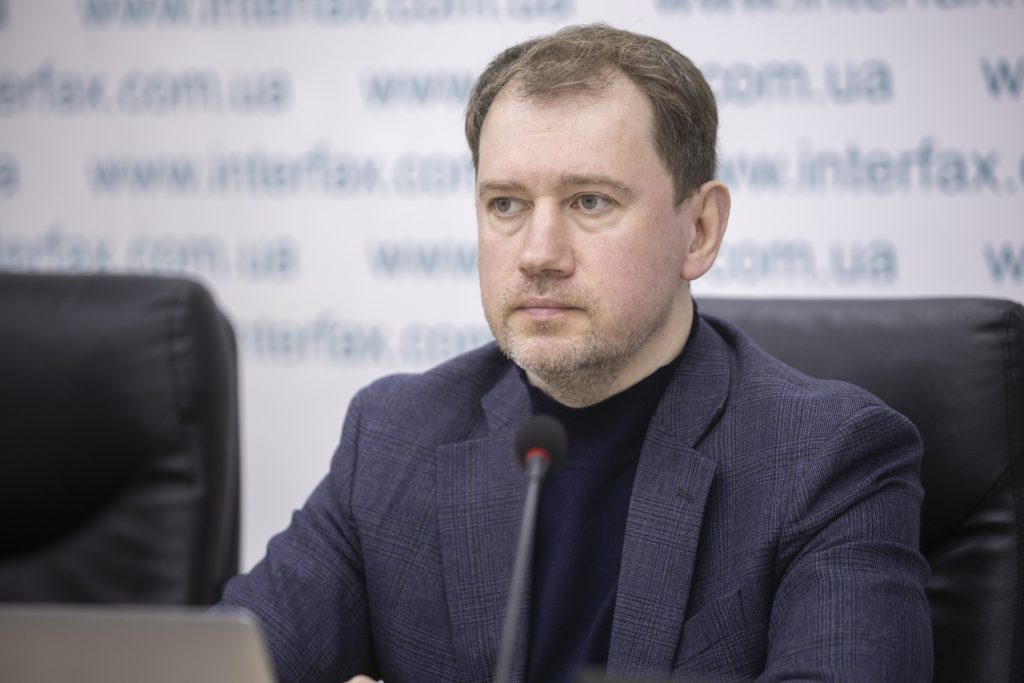
On April 29, the press center of the Interfax-Ukraine news agency hosted a presentation of the sociological studies Corruption in Ukraine: Threat or Opportunity? and Ukrainians Abroad, organized by the Think Ukraine analytical center.
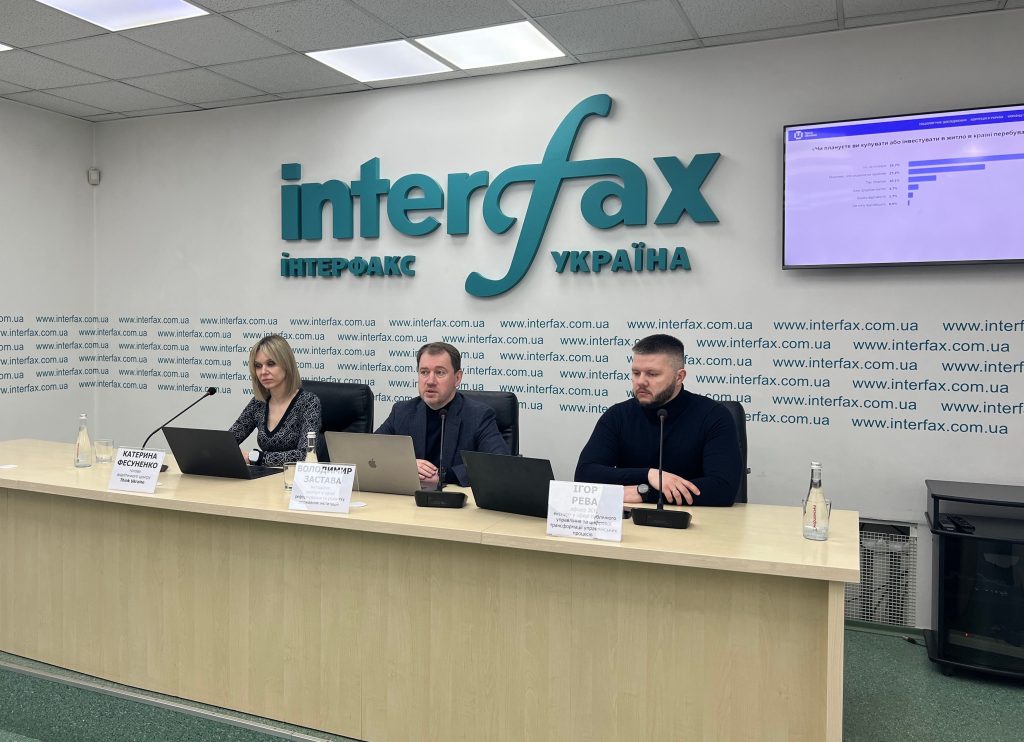
The studies are conducted within the framework of the annual “Country Project” program and combine quantitative and qualitative sociological methods. They examine public attitudes toward key challenges facing the state, including corruption, expectations from the authorities, the conditions for the return of Ukrainians from abroad, and perceptions of Ukraine’s future.
The findings were presented by members of the Think Ukraine team: Ihor Reva, an officer of the Armed Forces of Ukraine and an expert in urban agglomerations, modern urban planning, and digital transformation of governance processes; and Volodymyr Zastava, a methodologist and expert in the reform and development of public institutions.
One of the studies focused on Ukrainians’ attitudes toward corruption. Its findings show that corruption remains one of the country’s main perceived problems. At the same time, the research identified a gap between people’s personal experiences and broader perceptions of the scale of corruption in the state.
The second study focused on Ukrainians who are currently living abroad due to the war. It showed that a significant share of citizens have already integrated into their host countries, although the majority still consider returning to Ukraine. The key conditions for return remain security, an end to attacks, and the opportunity to work at home.
Think Ukraine noted that the results of both studies are important for understanding how public expectations are changing during the full-scale war. They help identify not only current problems, but also which solutions Ukrainians consider priorities for the country’s future.
The study “Corruption in Ukraine: Threat or Opportunity?” was conducted among 1,202 respondents in Ukraine. The study “Ukrainians Abroad” surveyed 404 respondents across 29 countries. Both surveys were conducted using the CATI telephone interview method.